The Road (2009) is a haunting post-apocalyptic drama that follows the desperate journey of a father and his young son through a world that has been devastated by an unnamed cataclysm. The land is barren, the skies are perpetually gray, and almost all forms of life have vanished. What remains is a desolate wasteland where survivors scavenge for food and many have turned to savagery and cannibalism in order to endure. In the middle of this bleak existence, the father and son cling to one another, trying to survive not only the harsh conditions but also the moral collapse of humanity.
The father, weakened by illness, knows his time is limited, but he is determined to guide his son south toward the coast, in hopes that warmer weather and the possibility of other survivors might offer a chance at life. Along the road, they encounter abandoned houses, ruined cities, and violent gangs of cannibals who embody the horrors of a society stripped of all law and compassion. Food is scarce, and their moments of relief, like discovering a hidden underground shelter filled with supplies, are fleeting amid constant fear.

Despite the overwhelming despair, the bond between the father and son provides a fragile but vital source of hope. The father teaches his son to “carry the fire,” a metaphor for maintaining their humanity and moral compass in a world where such values are almost extinct. He reassures his son that they are the “good guys,” different from the marauders and cannibals who kill without conscience. This promise becomes both a survival tool and a spiritual belief, helping the boy hold onto a sense of right and wrong.
As their journey progresses, the father’s health declines further, and the weight of responsibility grows heavier on the boy. They face starvation, threats from violent strangers, and the crushing emptiness of a land without life. Yet through it all, the father continues to shield his son, even when it requires brutal decisions, such as defending themselves with their last bullets or fleeing from dangerous encounters. The road itself becomes a symbol of endurance, a path that demands both physical survival and emotional resilience.
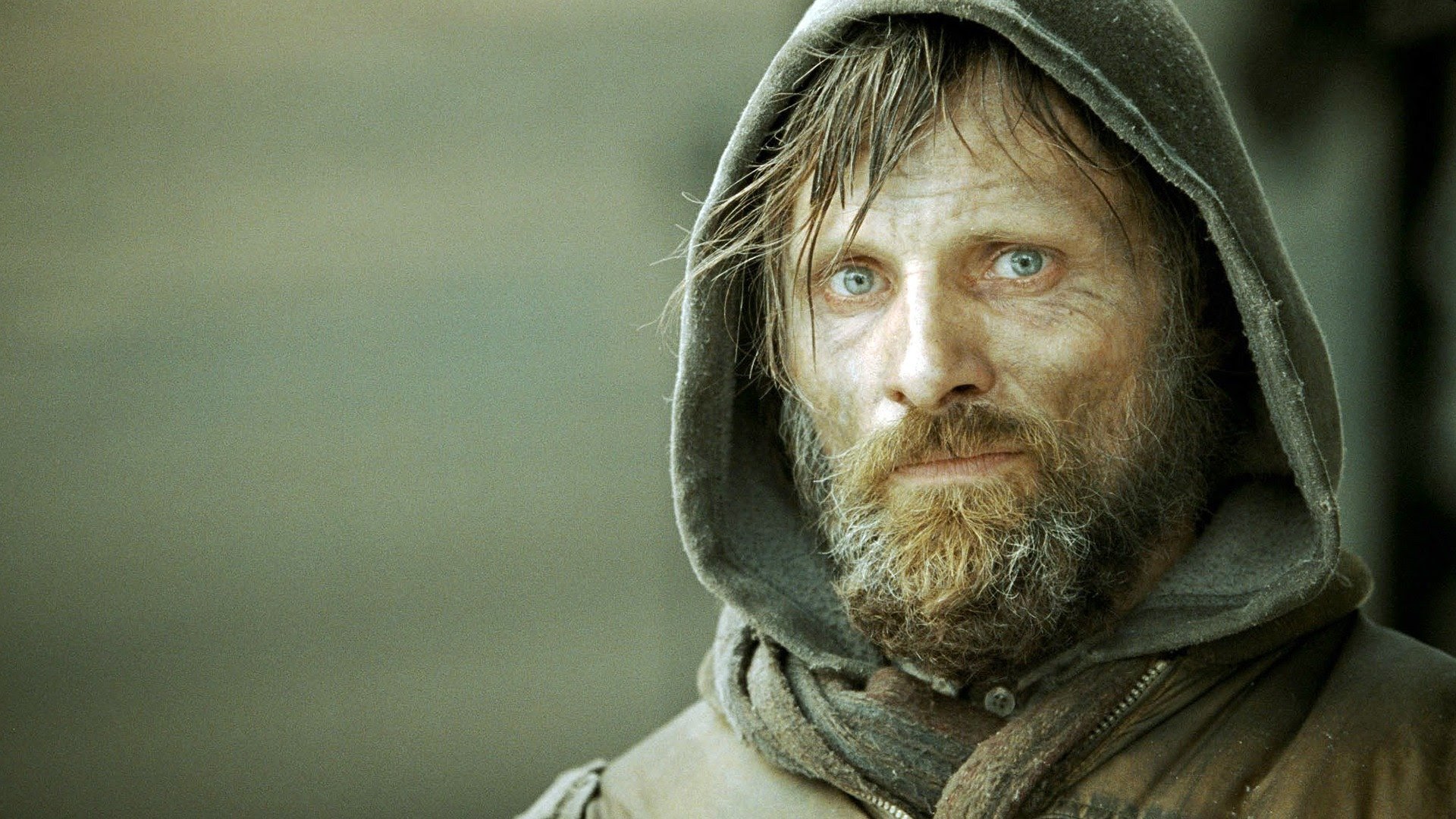
In the final act, the father succumbs to his illness, leaving the boy utterly alone. Before his death, he gives his son the strength to continue, reminding him once more to carry the fire and not give in to despair. The boy, devastated but resilient, soon encounters a family who has also managed to survive with a sense of compassion. They take him in, offering him the chance to keep moving forward with a renewed, if fragile, hope for the future.
The Road (2009) is not just a survival story but a deeply emotional exploration of love, morality, and perseverance in the face of overwhelming destruction. It captures the essence of a father’s devotion to his child, the fragility of human civilization, and the importance of clinging to humanity even when the world seems to have lost all traces of it. The film ends on a note of quiet hope, suggesting that even in the bleakest times, the fire of compassion and love can endure.


